Medical Students Report their 2026 International Exchange Experiences
International students at FMU, and FMU students abroad
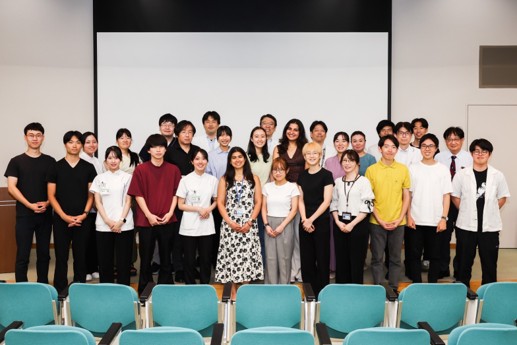
On Monday, June 29, 2026, Fukushima Medical University (FMU) held its first Medical Student International Exchange Presentation Meeting of the 2026 academic year at its Hikarigaoka Campus. The event was organized by our Global Exchange Center.
Eight FMU medical students who studied at the National University of Singapore and The Ohio State University reported on what they learned about healthcare, research, and medical education. Two medical students from the Icahn School of Medicine at Mount Sinai in New York, on rotation at FMU, also gave presentations on medical education and research in the United States.
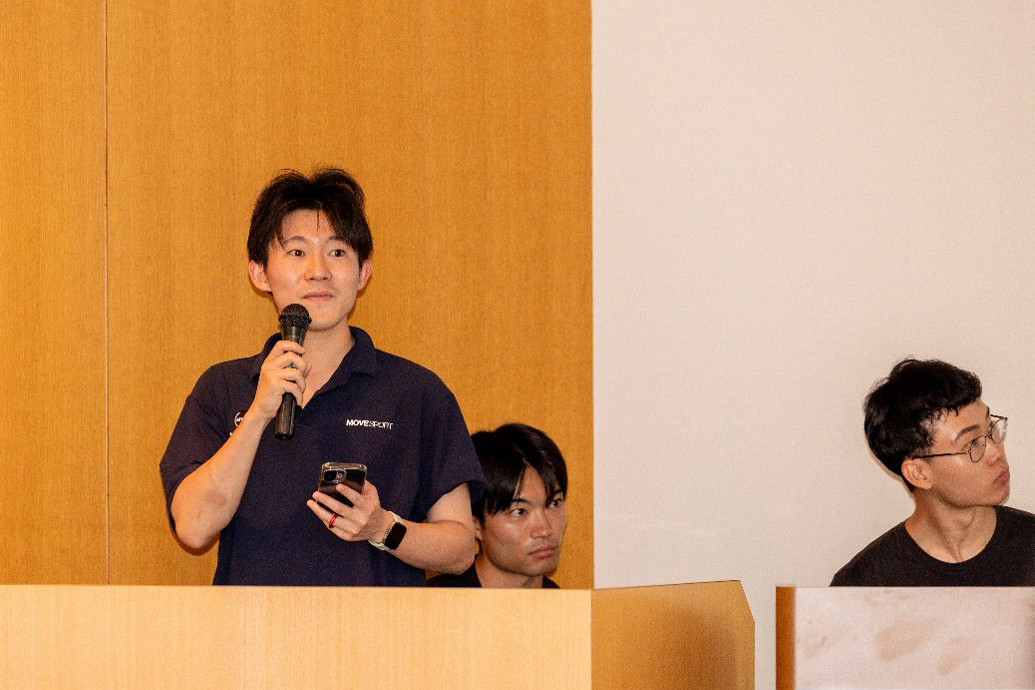
The presentations and question-and-answer sessions were conducted entirely in English. Students spoke confidently in their own words about the knowledge, experiences, and insights they gained through their exchanges.
Opening Remarks
Professor Kenju Shimomura, Director of the Global Exchange Center, praised the students for their dedication and willingness to take on challenges. He expressed his hope that their presentations would encourage audience members to think about global healthcare and international exchange, consider new possibilities, and pursue further opportunities.
Professor Koji Kono, coordinator for exchange with the National University of Singapore, drew on his own international experience to encourage students. He emphasized the importance of sharing research and clinical achievements with the world and urged students to regard their international experience as a new beginning, to maintain connections they made, and to pursue opportunities such as international collaborative research and further study abroad.
Learning About Advanced Medical Education and Clinical Practice at the National University of Singapore
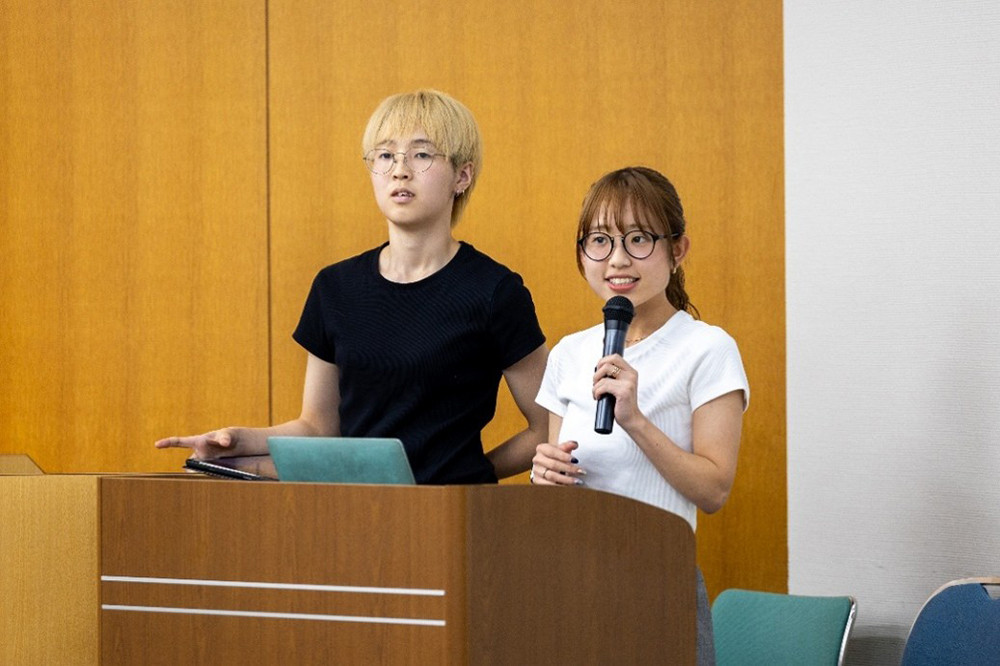
Momoka Yamamura, a fourth-year medical student, introduced the advanced approaches to medical education at the National University of Singapore (NUS), including its integrated organ-system curriculum and the use of augmented reality glasses in anatomy teaching. She said she was struck by the idea that a university is a place where education is a creative process beyond mere knowledge transfer. She was also impressed by the exceptionally skilled NUS faculty’s humility and respect for patients and allied health staff. As an MD-PhD student, she found it especially inspiring that many faculty members were active in research alongside clinical practice and routinely engaged in international collaborative research and academic conferences. She also discussed the potential for the experience to advance FMU’s education and international research collaboration.
Hiyona Mori, also a fourth-year medical student, described her clinical training in hepatobiliary, pancreatic, and transplant surgery. Along with advanced surgical techniques, she observed patient-centered care and teamwork in Singapore’s multicultural setting. She said the experience showed her that medicine is a shared language across the world and that the greatest benefit of studying abroad was the people she met.
Learning About Team-Based Care and Radiation Oncology at The Ohio State University
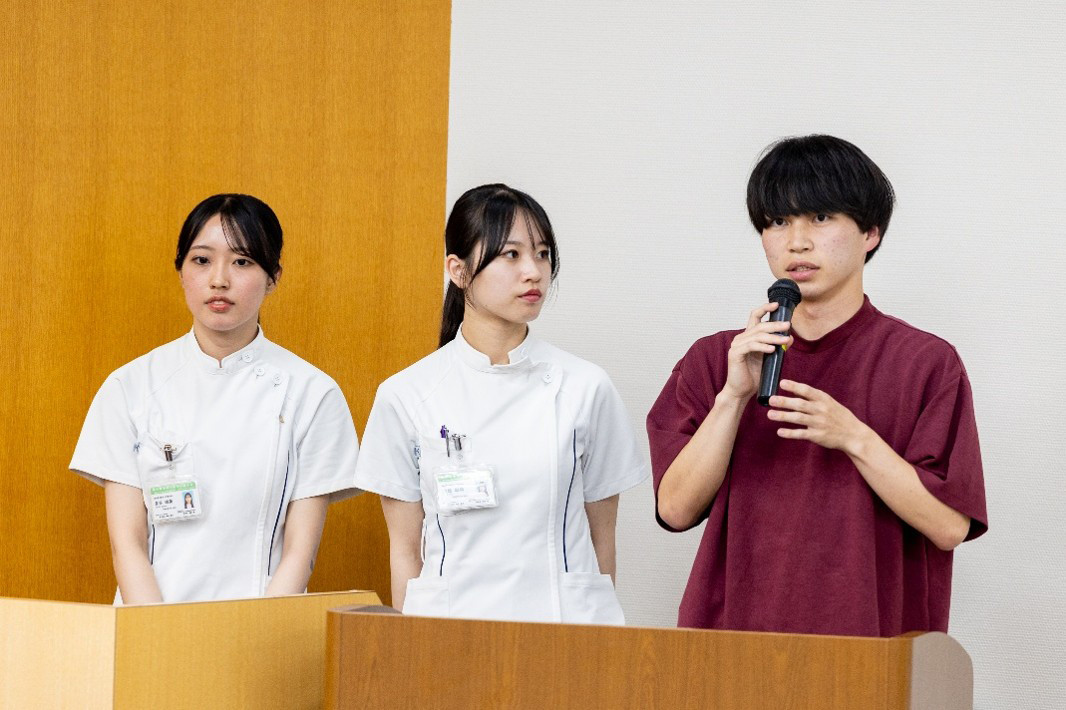
Sixth-year medical students Kotaro Ito, Sota Masuyama, and Kanta Sakai, who trained in radiation oncology as part of the BSL (bedside learning) Advanced Course, described differences between the healthcare systems of Japan and the United States, including highly specialized team-based care and the wider use of telemedicine. They explained how physicians, medical physicists, nurses, and radiation therapists work together to provide patient-centered care, and introduced noteworthy features of medical education at The Ohio State University.
Akemi Hase, Ryota Funabashi, and Yuri Oya reported on visits to facilities including a proton therapy center and simulation center, as well as medical education, student life, and interactions with local students. Reflecting on their experiences with different cultures and values, they stressed the value of trying to communicate, even without perfect English. Their presentations highlighted the value of intercultural understanding and communication alongside medical knowledge.
Presentations by Students from the Icahn School of Medicine at Mount Sinai
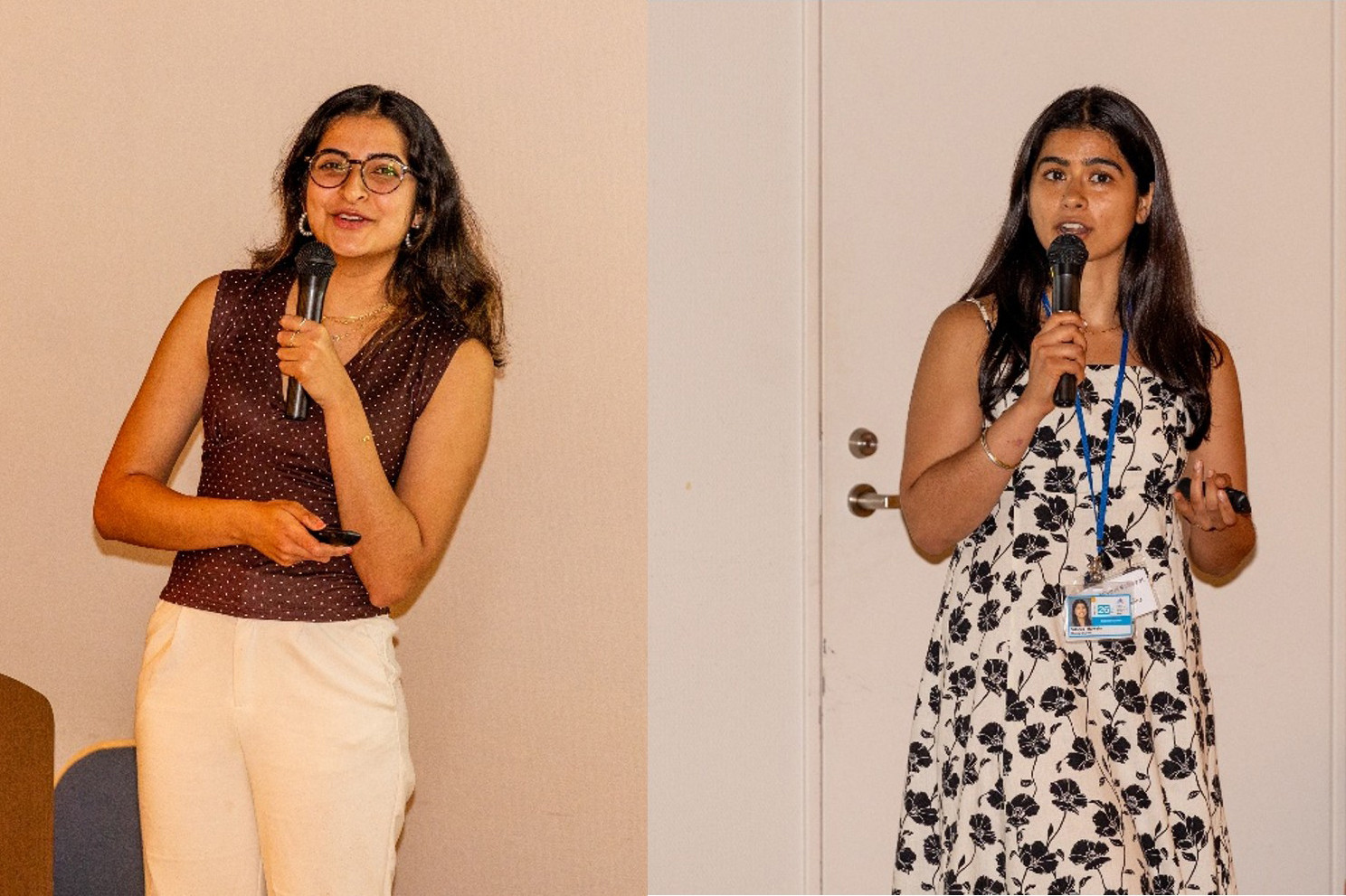
Visiting students Alvira Tyagi and Salonee Marwaha introduced the U.S. medical education system, medical research using artificial intelligence, and an approach to medical education that values volunteer activities. They said they were impressed to learn during their visit that FMU plays an important role internationally in disaster medicine, radiation medicine, public health, and community healthcare. They described their interactions with FMU students as a valuable experience and expressed hope that exchange between FMU and Mount Sinai would continue to deepen, giving more students opportunities to learn from one another.
Closing Comments
Professor Masaharu Tsubokura, Deputy Director of the Global Exchange Center and coordinator for exchange with Mount Sinai, encouraged the students to build on what they had learned abroad and continue striving for their next goals. He stressed that English need not be perfect and urged them to speak actively without fear of making mistakes and to keep communicating confidently in English.
Assistant Professor Azumi Fukushima, coordinator for exchange with The Ohio State University, said that clinical training inside and outside the hospital, together with exposure to different cultures and values, had given the students an opportunity to broaden their perspectives and develop into adaptable physicians and educators. She encouraged them to continue studying English and aim to work internationally.
Photo Captions
Japanese version is here.